
Electric Wheelchair OEM vs ODM with a Manufacturing Partner
Key Considerations for Steering Performance and Road Adaptability
Front-Wheel Drive: A Practical Choice for Conquering Complex Terrain
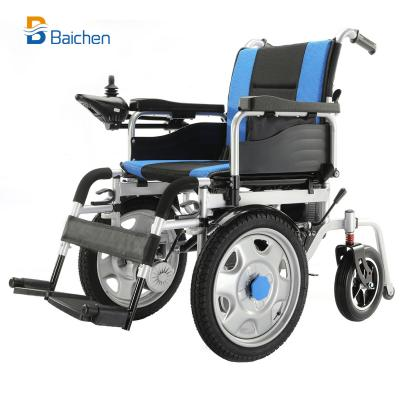
Front-wheel drive electric wheelchairs place large-diameter drive wheels at the front, with smaller guide wheels at the rear. This design prioritizes contact with obstacles, and actual measurements show that the success rate of a front-wheel drive wheel over a 5-cm curb is approximately 25% higher than that of a rear-wheel drive wheelchair. This design is particularly suitable for complex outdoor terrain, such as gravel roads and gentle slopes.
However, the front-wheel drive design also presents significant limitations: a larger turning radius is required, and steering in lanes less than 1.2 meters wide often requires multiple adjustments. While users may experience a slight forward tilt when descending hills, models that meet ISO safety standards are equipped with anti-roll devices, ensuring this risk is manageable.
This type of wheelchair is particularly suitable for two scenarios: first, users in areas with sloping terrain, such as the hilly terrain of Southeast Asia or the cobblestone streets of ancient European towns; and second, users in areas with less-developed municipal sanitation systems, where its strong obstacle-crossing capabilities can handle potholes or unpaved sidewalks. Rear-wheel drive: A smooth choice for urban commuting.
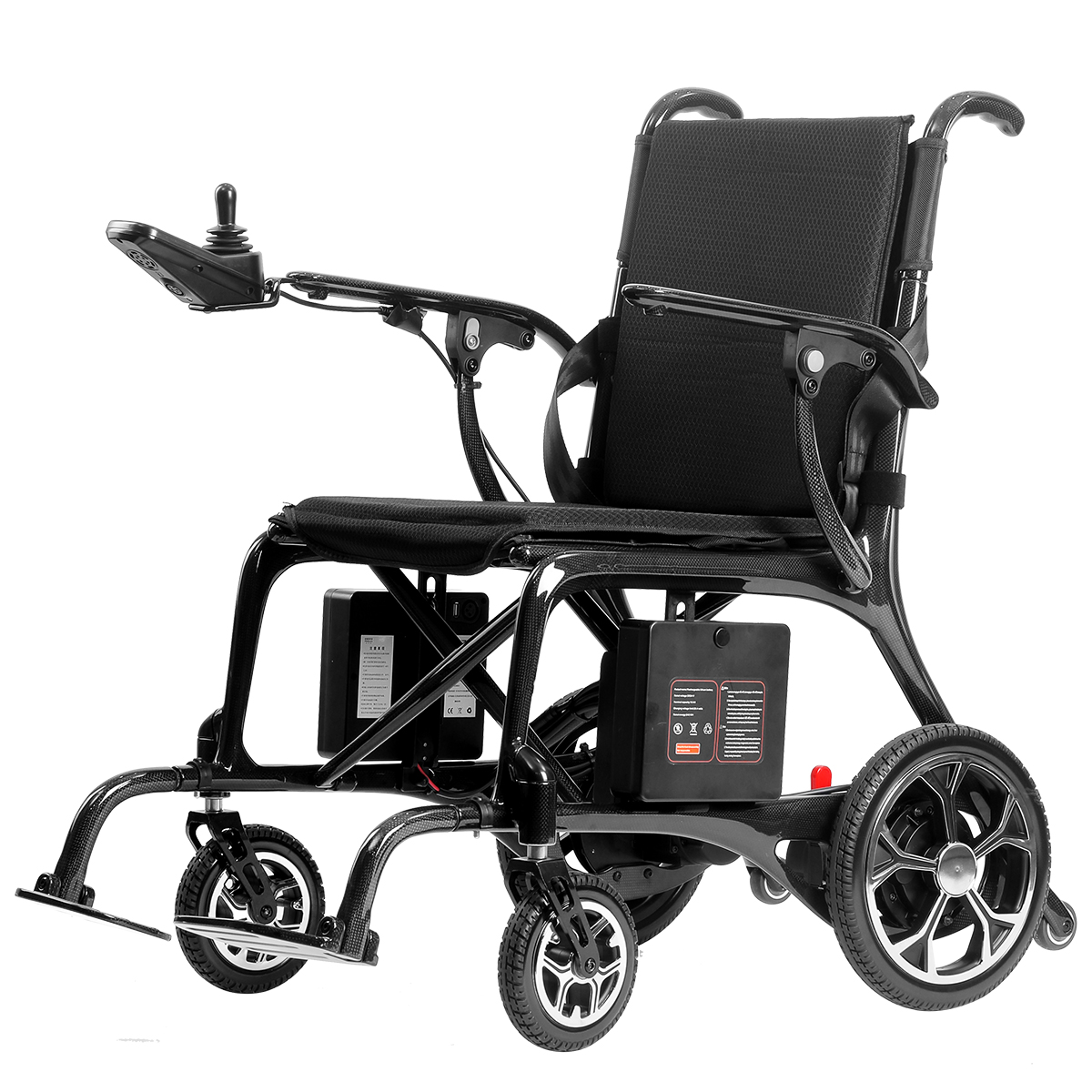
Rear-wheel drive, the mainstream option in the market (accounting for over 70%)
utilizes rear-wheel drive combined with front steering wheels. Its advantage lies in straight-line stability—the placement of the drive wheels at the rear reduces the risk of shifting the vehicle's center of gravity. Tests show that when cornering at the same speed, rear-wheel drive models exhibit 3-5 degrees less roll angle than front-wheel drive models.
Steering agility is another key advantage. Rear-wheel drive allows the front wheels to solely handle steering, enabling a tighter turning radius in indoor environments like supermarket shelves or hospital corridors. However, be aware that sharp turns on slippery and icy surfaces may cause slight rear-wheel spin, so it is recommended to use an electronic anti-skid control system.
Rear-wheel drive's suitability is particularly evident in high-frequency urban use scenarios: Smooth walkways in European and American retirement communities and indoor spaces like airport terminals are favored for this type of vehicle. For daily public transportation users, its smooth entry and exit from elevators significantly reduces operational complexity.

Copyright © Ningbo Baichen Medical Devices Co., Ltd. All Rights Reserved- Privacy Policy-Blog

 EN
EN