
Electric Wheelchair OEM vs ODM with a Manufacturing Partner
In the selection of electric wheelchairs, a frequently observed phenomenon is that traditional steel frames are mostly equipped with lead-acid batteries, while modern carbon fiber or aluminum alloy frames almost invariably use lithium batteries. This pairing is not accidental, but rather based on a deep integration of material characteristics, usage scenarios, and user needs. Baichen, a brand focused on intelligent mobility, hopes to explain the underlying product logic through this article.

Fundamental Differences in Structural Design
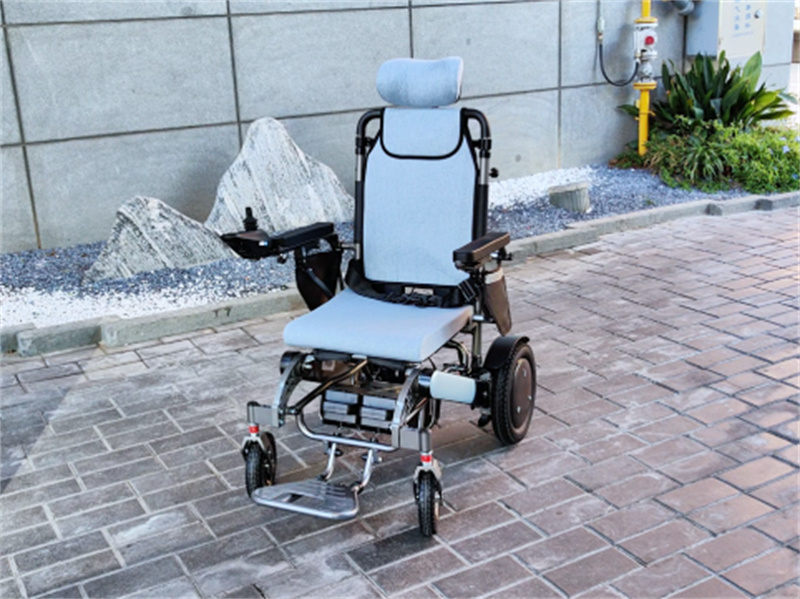
Steel electric wheelchairs use high-strength steel tube welded frames, with a typical weight of 25-35 kilograms. This structure itself already possesses strong load-bearing capacity and durability, but is less sensitive to weight. Although lead-acid batteries have a lower energy density, they are economical and technologically mature, matching the cost positioning of steel structures. Heavier batteries have a relatively smaller impact on the overall weight of these wheelchairs.
The core advantage of carbon fiber and aluminum alloy wheelchairs lies in their lightweight design, with a total weight controllable between 15-22 kilograms. These materials are more expensive, and the design goal is to provide users with maximum portability and ease of use. The high energy density of lithium batteries—weighing only 1/3 to 1/2 of lead-acid batteries at the same capacity—makes them the inevitable choice for lightweight design. The combination of the two truly realizes the product concept of "lightweight mobility."
Deep Integration of Usage Scenarios and Performance Requirements
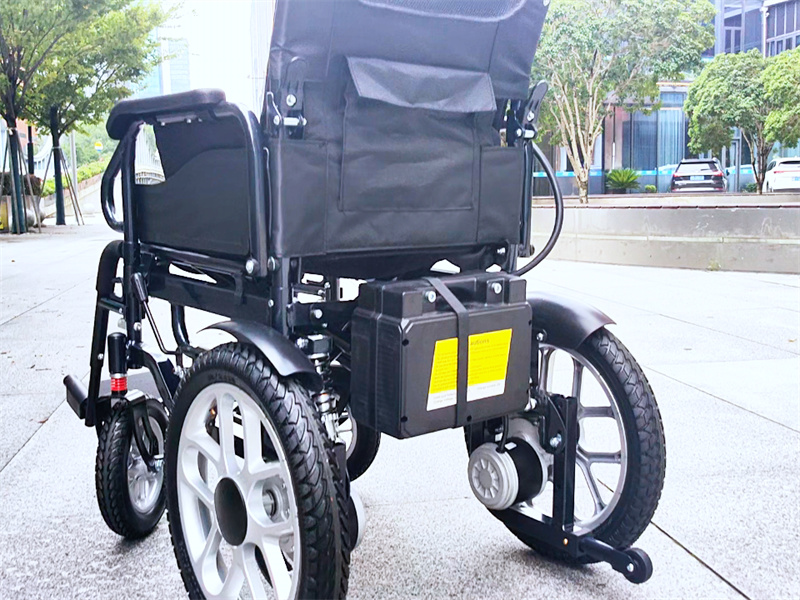
Steel wheelchairs with lead-acid batteries are usually positioned for basic daily use. They are more suitable for regular travel in indoor or flat community environments, with stable charging conditions, and typically require a range of 15-25 kilometers. This combination provides a reliable and economical solution, suitable for budget-conscious users with relatively fixed usage scenarios.
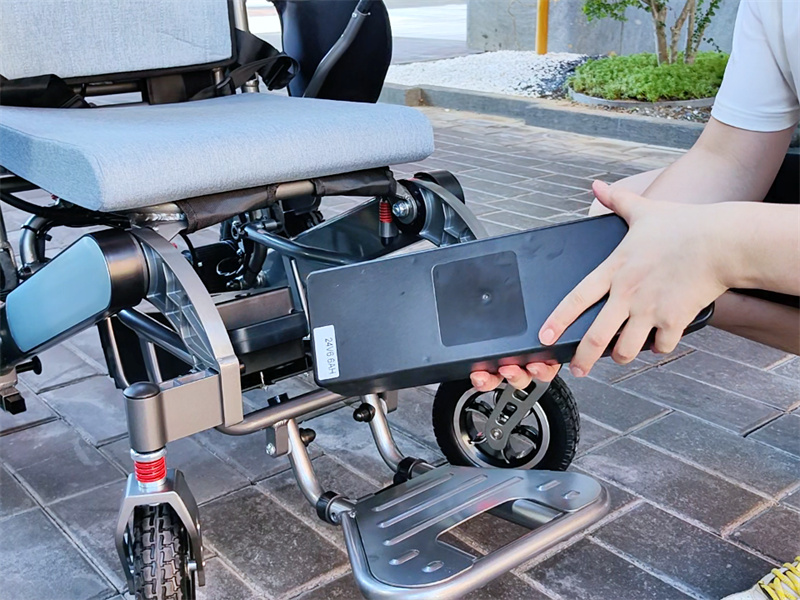
The combination of carbon fiber/aluminum alloy and lithium batteries is geared towards a more active lifestyle. Lithium batteries support faster charging speeds (usually 3-6 hours to fully charge), more charge-discharge cycles, and have no memory effect. This allows them to adapt to more complex usage scenarios: frequent outings, travel, and handling slopes or uneven surfaces. Their lightweight nature also facilitates loading into cars and assisting with carrying up and down stairs.
User Profile and Selection Logic
Users who choose the steel and lead-acid combination usually value product durability and cost-effectiveness. They may view wheelchairs as long-term, stable assistive devices, used in relatively controlled environments with less need for frequent handling.
Users who choose lightweight materials and lithium-ion batteries often have higher demands for independence and quality of life. They may be more active and require a wheelchair that adapts to diverse scenarios—whether for travel, outdoor activities, or daily commuting. For caregivers, the lightweight design also significantly reduces the burden of assisted handling.
In BaiChen's wheelchair products, we match technology to the actual needs of different users. Our classic series uses reinforced steel structures and high-performance lead-acid batteries, striking a balance between reliability and affordability; while our travel wheelchair series utilizes aerospace-grade aluminum or carbon fiber composite materials, paired with high-energy-density lithium-ion batteries, dedicated to providing active users with a "burden-free" travel experience.
We understand that choosing a wheelchair is not just about specifications, but about life itself. The matching of batteries and materials ultimately serves one core goal: to make technology adapt to people, not the other way around.
If you would like to learn more about which combination is best suited to your or your family's lifestyle, our product consultant team can provide personalized analysis and recommendations. Please visit the BaiChen official website to browse detailed technical specifications and use cases, or contact us directly through online consultation. Let us work together to find solutions that make every movement effortless and comfortable.
Ningbo Baichen medical Devices Co.,LTD.,
+86-18058580651
Baichenmedical.com/baichenmobility.com

Copyright © Ningbo Baichen Medical Devices Co., Ltd. All Rights Reserved- Privacy Policy-Blog

 EN
EN