
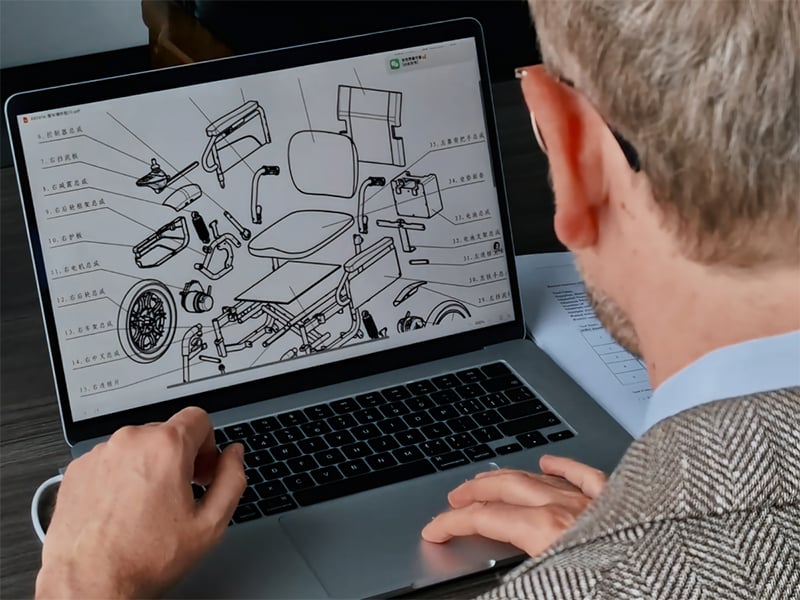
Electric Wheelchair OEM vs ODM with a Manufacturing Partner
How Core Differences in Powertrain Systems Influence Global Purchasing Decisions
Brushed Motors: A Practical Choice of Proven Technology
Brushed motors, which use physical carbon brushes to conduct current through the rotating armature, have been developed for over a century. These motors deliver high torque at the start-up moment and are particularly well-suited for mountainous terrain with slopes greater than 8 degrees. Test data shows that, at the same power, brushed motors respond 0.3 seconds faster to grade than brushless motors.
However, after several thousand to over 10,000 hours of continuous operation, carbon brushes wear out and require replacement. In humid or dusty environments, brush wear can accelerate by 30%. Maintenance costs are primarily focused on carbon brush replacement (approximately $5 per unit) and regular cleaning of carbon deposits from the armature. These motors require minimal maintenance skills and can be operated by grassroots technicians in developing countries.
Currently, brushed motors are primarily used in two scenarios: first, government procurement projects in hilly regions such as Southeast Asia and Latin America, where they are highly adaptable to complex road conditions and easy to maintain; and second, in extremely cold regions (such as parts of Northern Europe), where they maintain starting performance even in temperatures as low as -40 degrees Celsius.
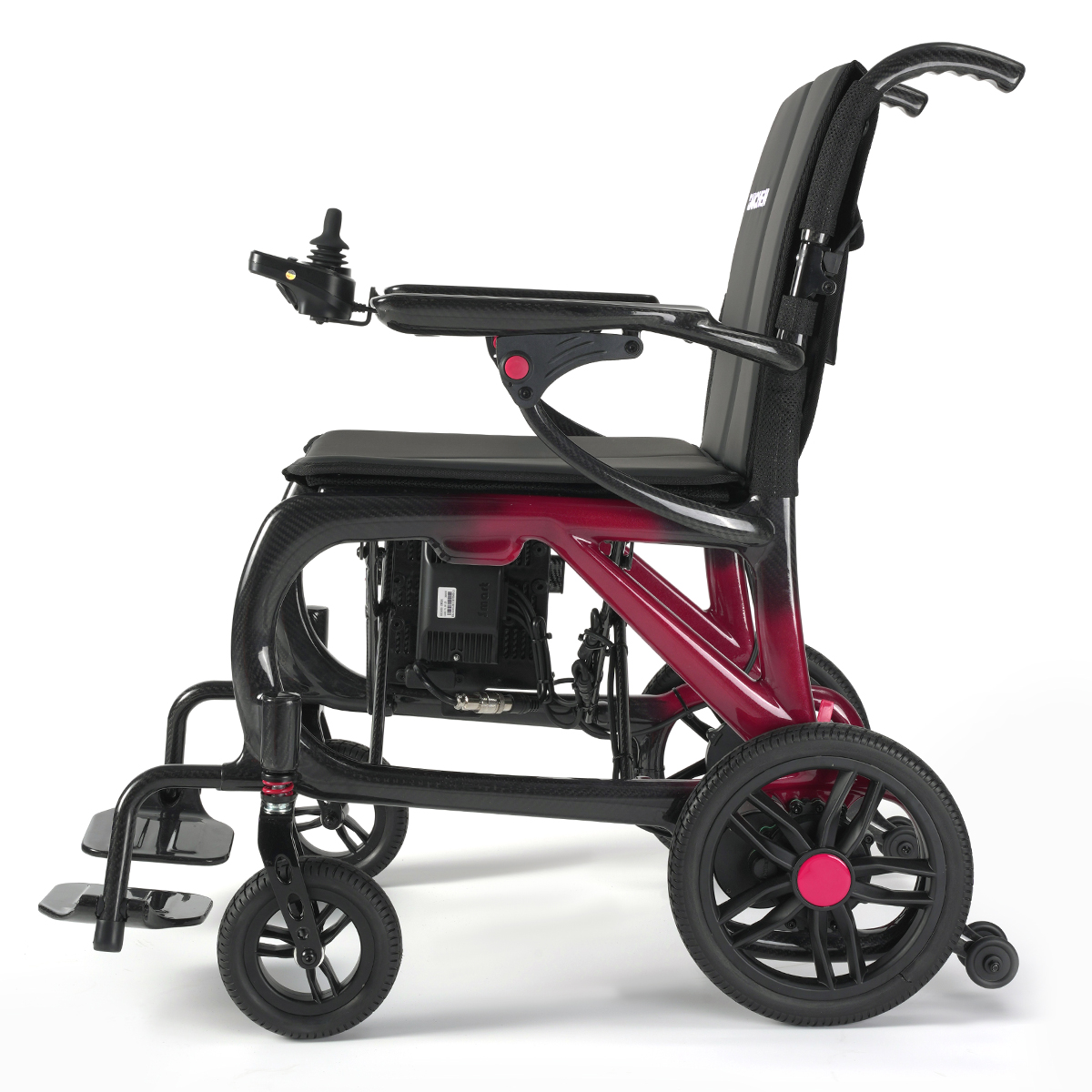
Brushless Motors: A Modern, Efficient and Quiet Solution
Brushless motors use an electronic controller to commutate current, eliminating physical contact components. This design boosts energy conversion efficiency to over 85%, extending battery life by 15%-20% compared to brushless motors with the same battery capacity.
Because of the lack of mechanical friction, routine maintenance is limited to bearing oiling every two years, resulting in a theoretical service life exceeding 20,000 hours. However, as a core component, the electronic controller can represent up to 15% of the vehicle's total repair cost. Special attention should be paid to heat dissipation in high-temperature environments—some models may trigger overheating protection when temperatures exceed 50°C.
The quiet operation of brushless motors (less than 45 decibels) makes them popular in two markets: high-end retirement communities in Europe and the United States prioritize them due to noise control regulations; and rental service providers such as airports and hotels value the operational and maintenance cost advantages offered by their low failure rate. For air cargo users, their lightweight design also reduces excess weight charges.

Copyright © Ningbo Baichen Medical Devices Co., Ltd. All Rights Reserved- Privacy Policy-Blog

 EN
EN