
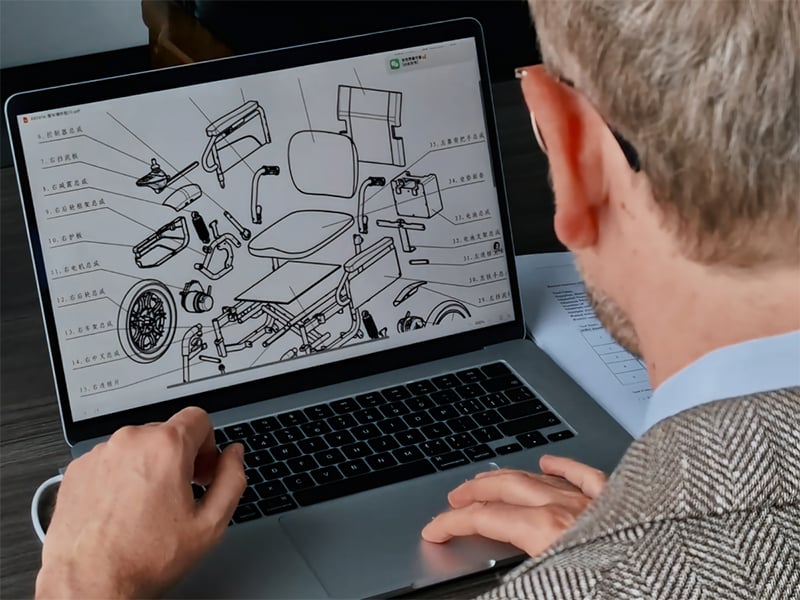
Electric Wheelchair OEM vs ODM with a Manufacturing Partner
Key Considerations in Global Procurement Decisions
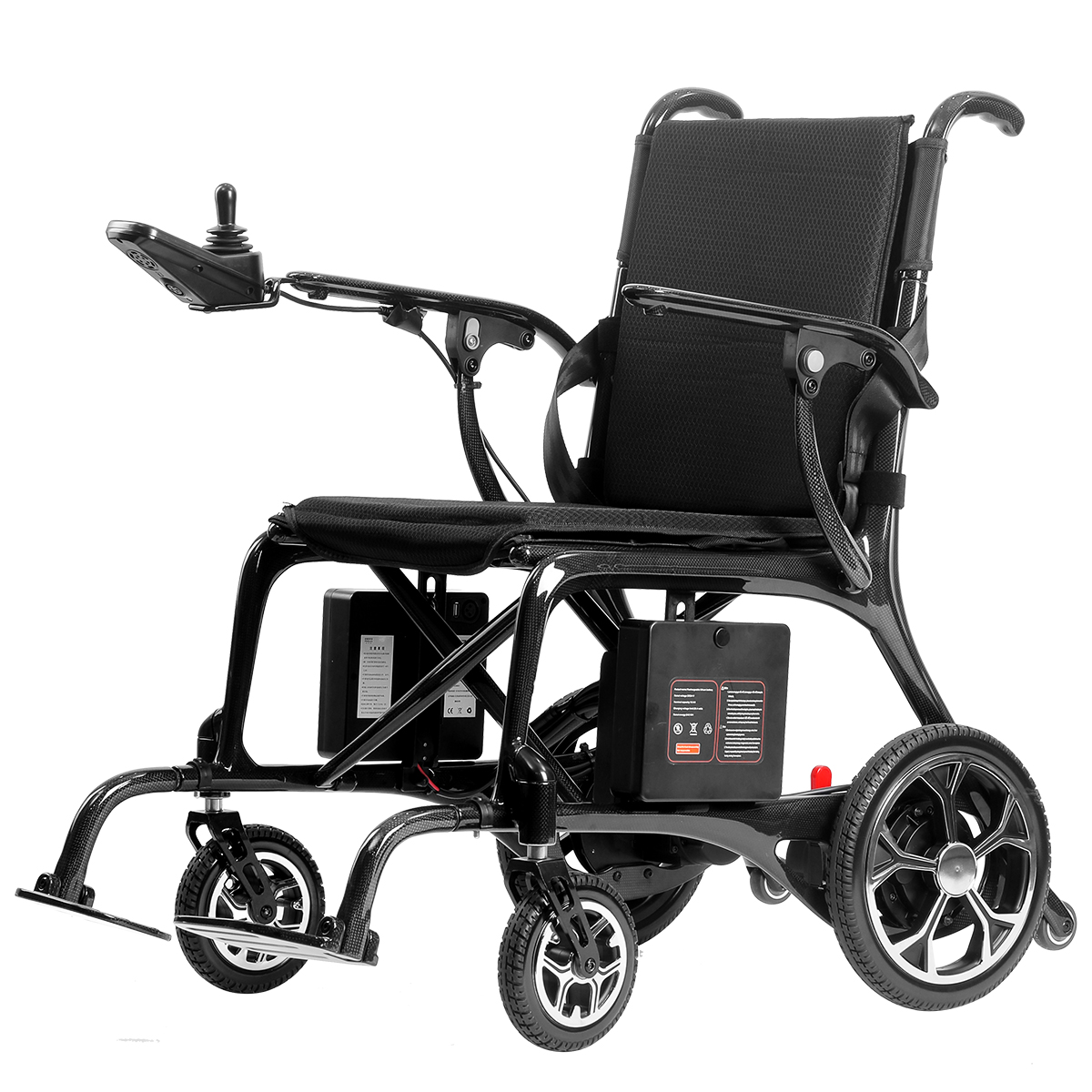
Carbon Fiber Electric Wheelchairs: A Lightweight and High-Strength Solution
Carbon fiber is becoming increasingly popular in the electric wheelchair market, with a significant advantage in its excellent strength-to-weight ratio. Carbon fiber frames are the lightest in their class, with an average weight of 12-15 kg, significantly enhancing portability. In terms of structural performance, laboratory tests have shown that they offer superior impact resistance compared to traditional metals. They are also naturally corrosion-resistant, making them suitable for long-term use in high-humidity environments.
Currently, carbon fiber wheelchairs are generally priced relatively high, primarily targeting the weight-sensitive high-end market. For example, frequent air travelers appreciate their lightweight design, which effectively reduces excess baggage fees. Medical buyers value their durability in retirement communities in coastal areas.
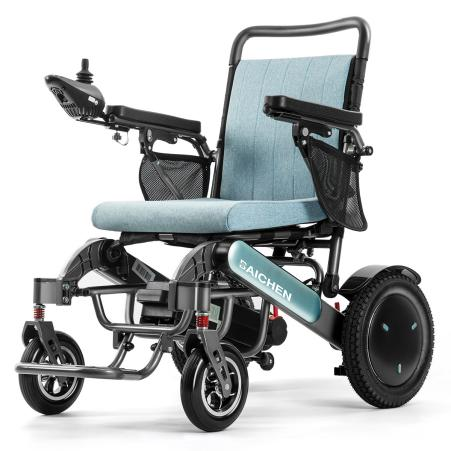
Aluminum Alloy Electric Wheelchairs: The Mainstream Choice for Balancing Performance and Cost
As the material with the highest market share, aluminum alloy offers an effective balance between weight, load-bearing capacity, and cost. They typically weigh 40% less than their steel counterparts (approximately 18-25 kg) and can be folded to fit in the trunk of a standard car. The load-bearing capacity meets the needs of most users, and with the surface oxidation treatment, the typical service life can reach 5-8 years.
The moderate price range makes it a top choice for both home users and institutional purchases. Community care programs in Europe and the United States widely adopt this product because it is easy for caregivers to carry, while hotels and scenic area rentals value its reasonable purchase cost and ease of maintenance. Note that in rainy areas, the reinforced anti-rust coating should be preferred.
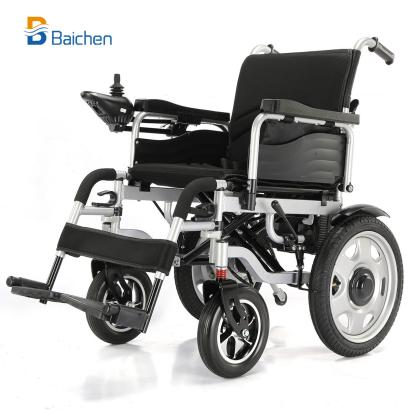
Iron Electric Wheelchair: An Economical and Durable Basic Product
The iron (carbon steel) frame maintains a classic design, with its core advantages being structural stability and cost control. Field tests have shown that it offers improved shock absorption on rough surfaces, but its weight generally exceeds 25 kg, requiring assistance for mobility. Surface anti-rust treatment is crucial for maintenance, and regular maintenance is required in humid climates to extend its service life.
The lowest price range makes it competitive in government bulk purchases and developing markets. Public healthcare systems in some Southeast Asian countries continue to purchase this product due to its versatile parts and established local repair network. It is also popular in fixed locations, such as indoor areas of nursing homes, where the initial investment cost is over 35% lower than other materials.

Copyright © Ningbo Baichen Medical Devices Co., Ltd. All Rights Reserved- Privacy Policy-Blog

 EN
EN