
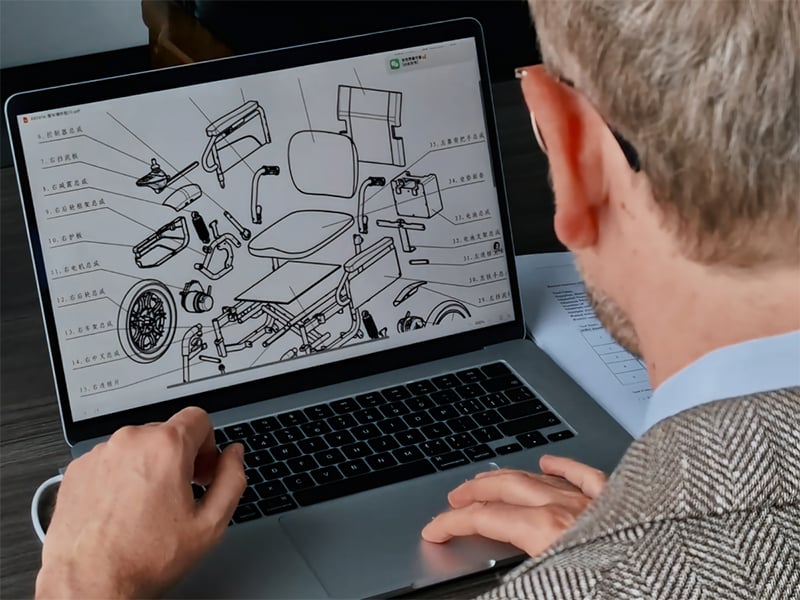
Electric Wheelchair OEM vs ODM with a Manufacturing Partner
In the development of electric wheelchairs, battery technology directly impacts user experience and product performance. Currently, lead-acid and lithium batteries are the mainstream choices, each with its own unique characteristics, suited to different usage scenarios and user needs.
Lead-Acid Batteries: A Proven, Economical, and Practical Technology
Lead-acid batteries are an early adopter of electric wheelchair technology. They utilize lead and its oxide electrodes, and sulfuric acid solution as the electrolyte, storing and releasing electrical energy through chemical reactions. The main advantages of this type of battery are its low cost, which often makes the vehicle more competitively priced. Its mature technology and ease of repair and replacement make it suitable for users with limited budgets.
However, lead-acid batteries are relatively heavy, often adding to the overall weight of the wheelchair and compromising portability. They also have a low energy density, resulting in a relatively limited range. Furthermore, lead-acid batteries have a short cycle life, and their capacity gradually decreases after frequent deep charge and discharge cycles, requiring regular electrolyte maintenance and precautions to prevent over-discharge.
For users with limited mobility and budgets, such as those in nursing homes or those who frequently use the wheelchair indoors, lead-acid batteries are a practical choice. It remains a common feature in some bulk purchases where weight is less important and initial procurement costs are a priority.

Lithium Batteries: The Mainstream Trend of Lightweight and High Efficiency
Lithium batteries use lithium metal or lithium compounds as electrode materials, and charge and discharge are achieved through the movement of lithium ions between the positive and negative electrodes. Their high energy density makes them significantly lighter than lead-acid batteries for the same capacity, helping to reduce vehicle weight and enhance portability. They also offer improved range, with lithium batteries commonly used in electric wheelchairs achieving a range of 25 kilometers or more.
Lithium batteries have a long cycle life and typically support more charge and discharge cycles, requiring less frequent replacement than lead-acid batteries over long periods of use. They generally require no routine maintenance, can be charged on-the-go, and have no memory effect, making them more convenient to use. However, lithium batteries have a higher initial purchase cost and require certain charging circuitry requirements, requiring a dedicated battery management system (BMS) to monitor temperature, voltage, and other factors for safety.
For users with extensive mobility and a focus on convenience, such as those who frequently travel, take public transportation, or undertake long-distance travel, lithium batteries offer a better experience. They are also more user-friendly for lighter users or those who require more mobility.
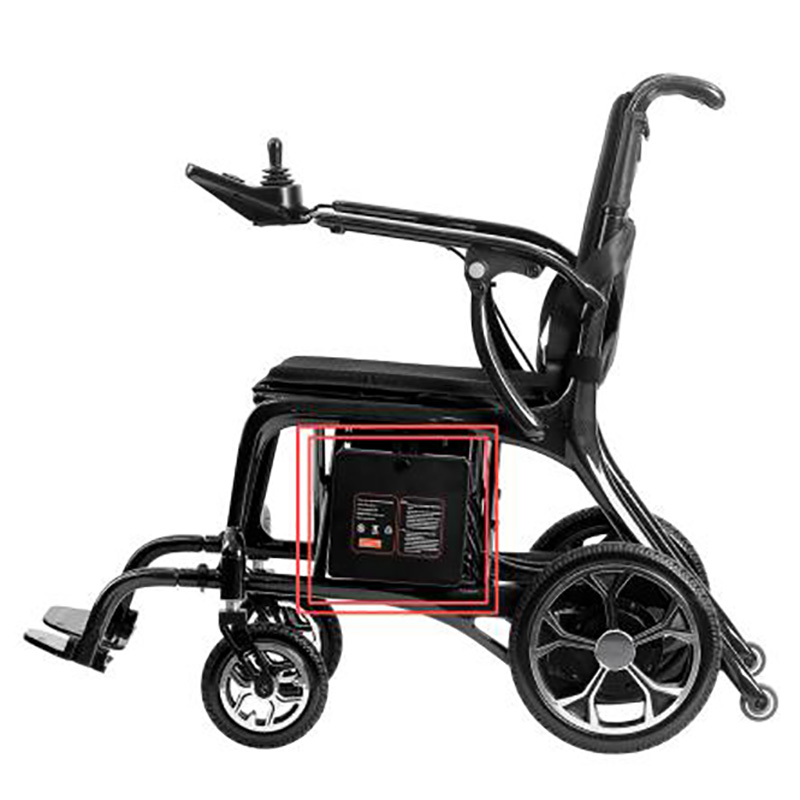
Comprehensive Considerations for Battery Selection
When choosing a battery, consider the usage scenario, budget, and battery life requirements:
Lithium-ion batteries are generally more suitable for users who frequently use their vehicle for long distances outdoors, as they offer significant advantages in terms of long battery life and lightweight design.
For users in fixed locations and with limited budgets, lead-acid batteries can still reliably meet basic travel needs.

Copyright © Ningbo Baichen Medical Devices Co., Ltd. All Rights Reserved- Privacy Policy-Blog

 EN
EN