
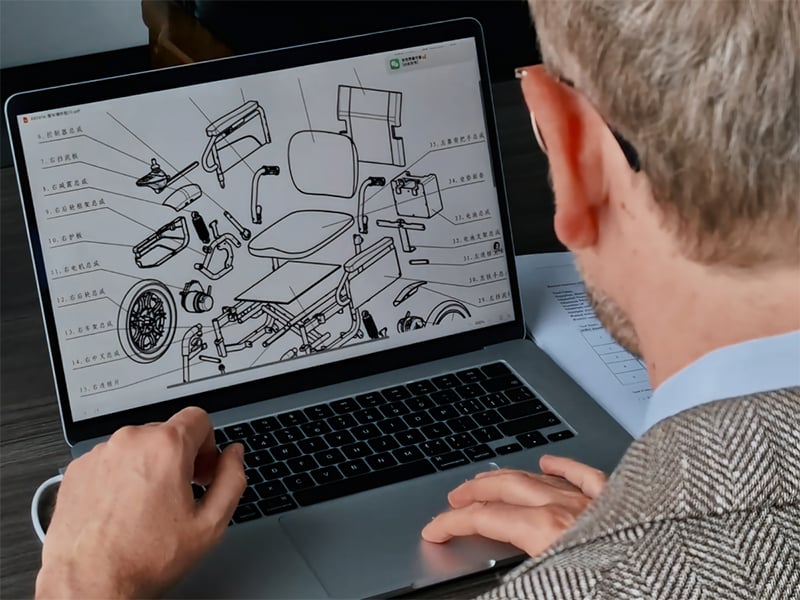
Electric Wheelchair OEM vs ODM with a Manufacturing Partner
The braking system of an electric wheelchair is directly related to user safety and user experience. Currently, the two main technologies used on the market are electromagnetic brakes and electronic brakes (also known as EABS brakes). Each has its own unique design principles, performance, and applicable scenarios, offering users different options.
Electromagnetic Brakes: A Safe and Reliable Traditional Choice
Electromagnetic brakes utilize the interaction between magnetic poles to achieve braking. When the user releases the control lever, the electromagnetic brake automatically engages, quickly stopping the wheelchair even on slopes or during power outages, preventing it from rolling. This braking system is considered a key component of electric wheelchair safety.

The main advantage of electromagnetic brakes lies in their high reliability and safety. They do not rely on electricity for braking and can function even during power outages, which is particularly important for emergency safety. However, electromagnetic brakes are relatively complex in structure, resulting in high manufacturing costs and maintenance requirements.
Electromagnetic brakes are particularly suitable for users with high safety requirements, such as the elderly or those with mobility impairments. Their stability provides comprehensive protection, especially in hilly areas or complex outdoor conditions.
Electronic Brakes: A Fast-Responding Modern Solution
Electronic brakes use electronic components to control motor torque to achieve braking. They generally have a fast response time, but may not function properly during power outages, requiring manual braking.
The main advantages of electronic brakes are their fast response time and low maintenance. However, their safety features are relatively limited, especially on slopes or when the power is insufficient, where there is a risk of brake failure. Therefore, wheelchairs with electronic brakes are generally recommended for use on flat surfaces.
Electronic brakes are more suitable for users with limited budgets who primarily use flat surfaces. They are a cost-effective option for short-term use or indoor mobility.
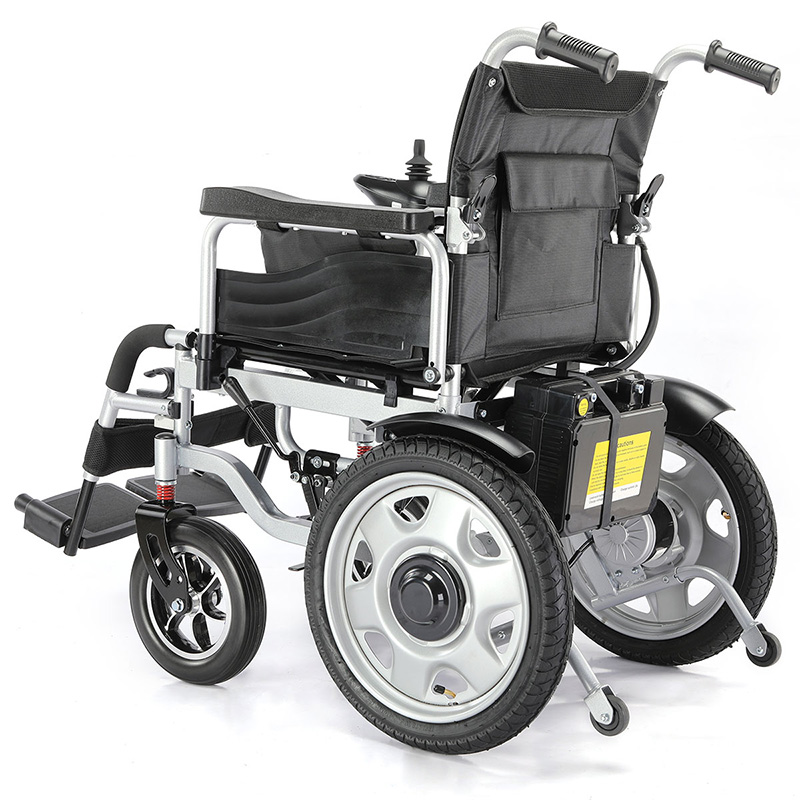
Practical Tips for Choosing a Braking System
When choosing a brake system for an electric wheelchair, consider your activity environment, physical condition, and budget.
For users who frequently engage in outdoor activities or live in hilly areas, especially elderly people whose reflexes may be impaired, electromagnetic brakes are a safer and more reliable option. Their automatic braking function provides stable protection in various situations.
For users who primarily use the wheelchair on flat, indoor surfaces and have a limited budget, electronic brakes may be sufficient. However, be sure to ensure the wheelchair is equipped with an effective manual braking system to handle emergencies. Regardless of the brake system you choose, regular inspection and maintenance are key to ensuring safety. We recommend following the manufacturer's instructions for maintenance and promptly replacing worn parts.
We hope the above analysis will help you better understand the characteristics of electric wheelchair brake systems and provide a reference for your purchasing decisions. If you have further questions or require further information, please visit our website or contact us directly.

Copyright © Ningbo Baichen Medical Devices Co., Ltd. All Rights Reserved- Privacy Policy-Blog

 EN
EN