
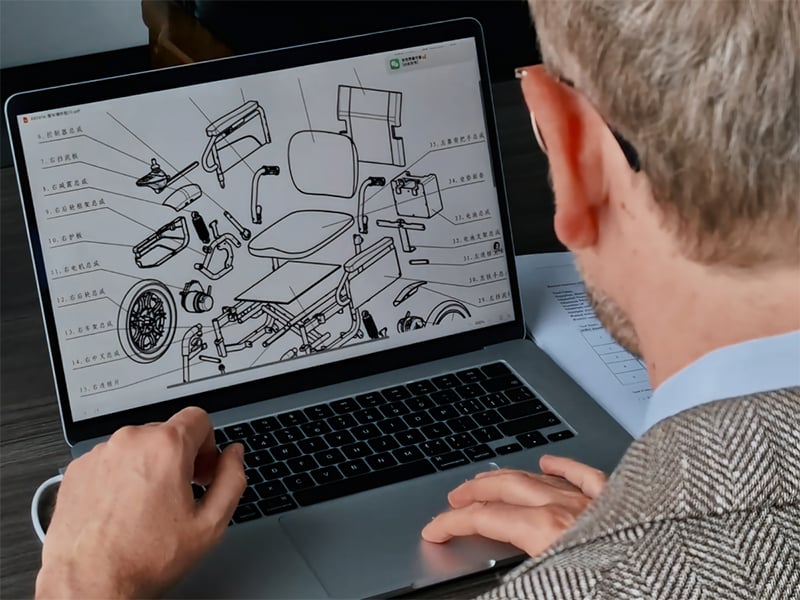
Electric Wheelchair OEM vs ODM with a Manufacturing Partner
An OEM or ODM inquiry often begins with a logo, a photograph and the words “Can you make this for our market?” That is enough to begin a conversation, but not enough to build a dependable wheelchair. The target user, local requirements, expected price position, service method and acceptable changes all shape the right development path.
At Baichen, we treat electric wheelchair OEM vs ODM as a choice about responsibility and development depth. Some partners need a proven platform with their brand and market-ready materials. Others need controlled changes or a new solution built around a stronger brief. Our customization service can support that discussion, while the steps below help both teams turn an idea into a specification we can actually manufacture.
Our quick answer
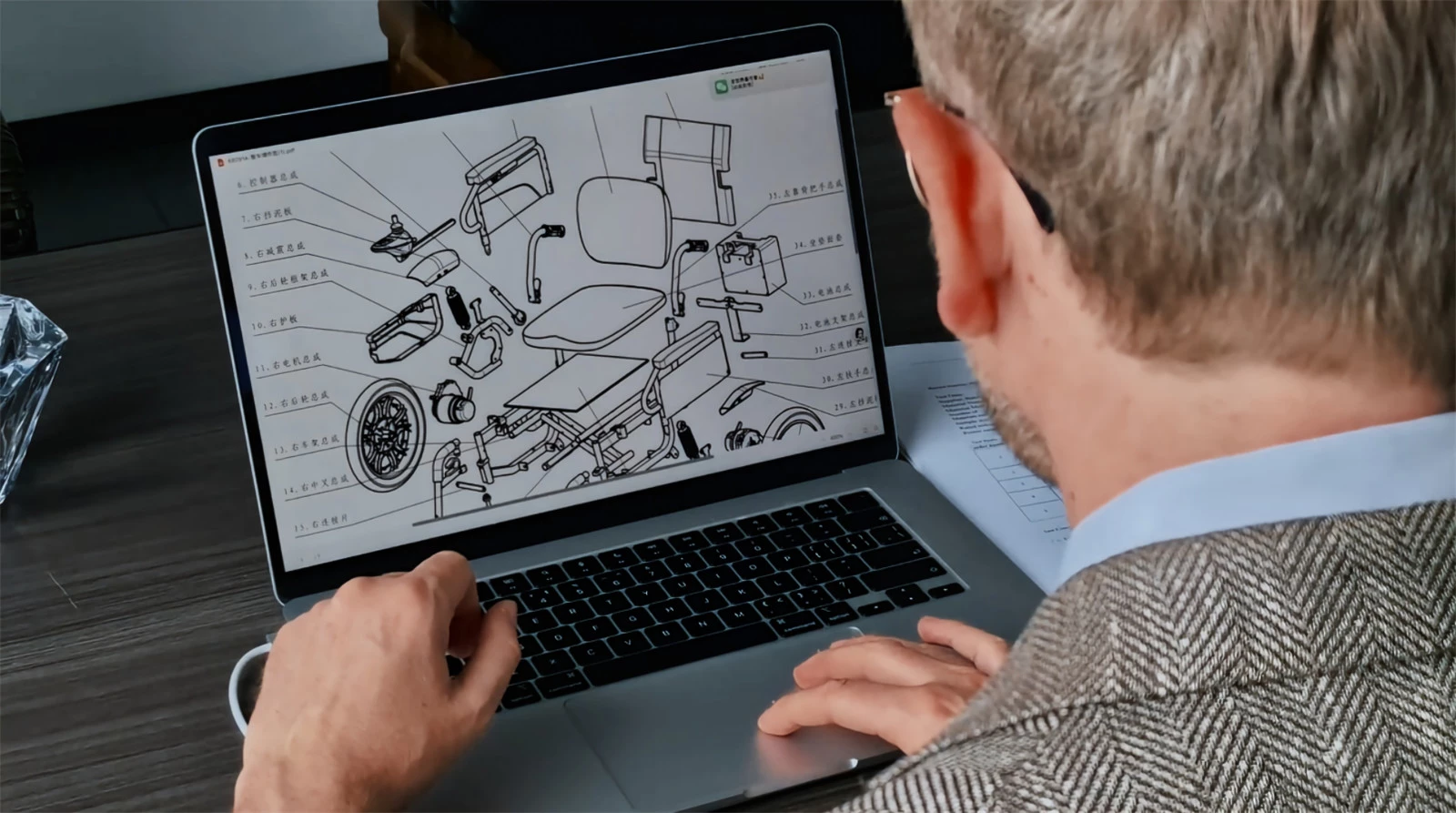
Choose OEM when you already have defined requirements and need a factory to manufacture them under agreed controls. Choose ODM when you want to begin from a manufacturer's platform and adapt it for your brand and market. In practice, many projects sit between those two labels. We recommend defining the user, market, channel, change list, document responsibilities and approval stages before arguing about terminology.
Choose the development path that fits your team
In a typical OEM project, the manufacturer supplies an existing product platform and adapts controlled options for the buyer. These options may include a logo, colors, seat material, label, carton, manual language, controller selection, battery option, wheel style or accessory package. The underlying design remains substantially based on the manufacturer's existing model.
In a typical ODM project, the buyer asks for a product that requires new design input. The work may include a different frame geometry, folding mechanism, seating structure, enclosure, control layout, performance target or combination of systems. Tooling, prototypes, verification and regulatory review usually become more extensive.
The boundary is not always sharp. A project can begin as OEM and become ODM after several requested changes interact. A new battery enclosure may require a changed bracket; the bracket may affect folding; the fold may affect wiring and packaging. The project team should classify the work based on technical impact rather than the sales label.
For buyers, the most important distinction is risk. OEM generally offers a faster route because more of the product has already been designed and evaluated. ODM can create stronger differentiation, but it asks the buyer and manufacturer to manage more technical, schedule, cost and compliance uncertainty.
Tell our engineers what life the chair must fit
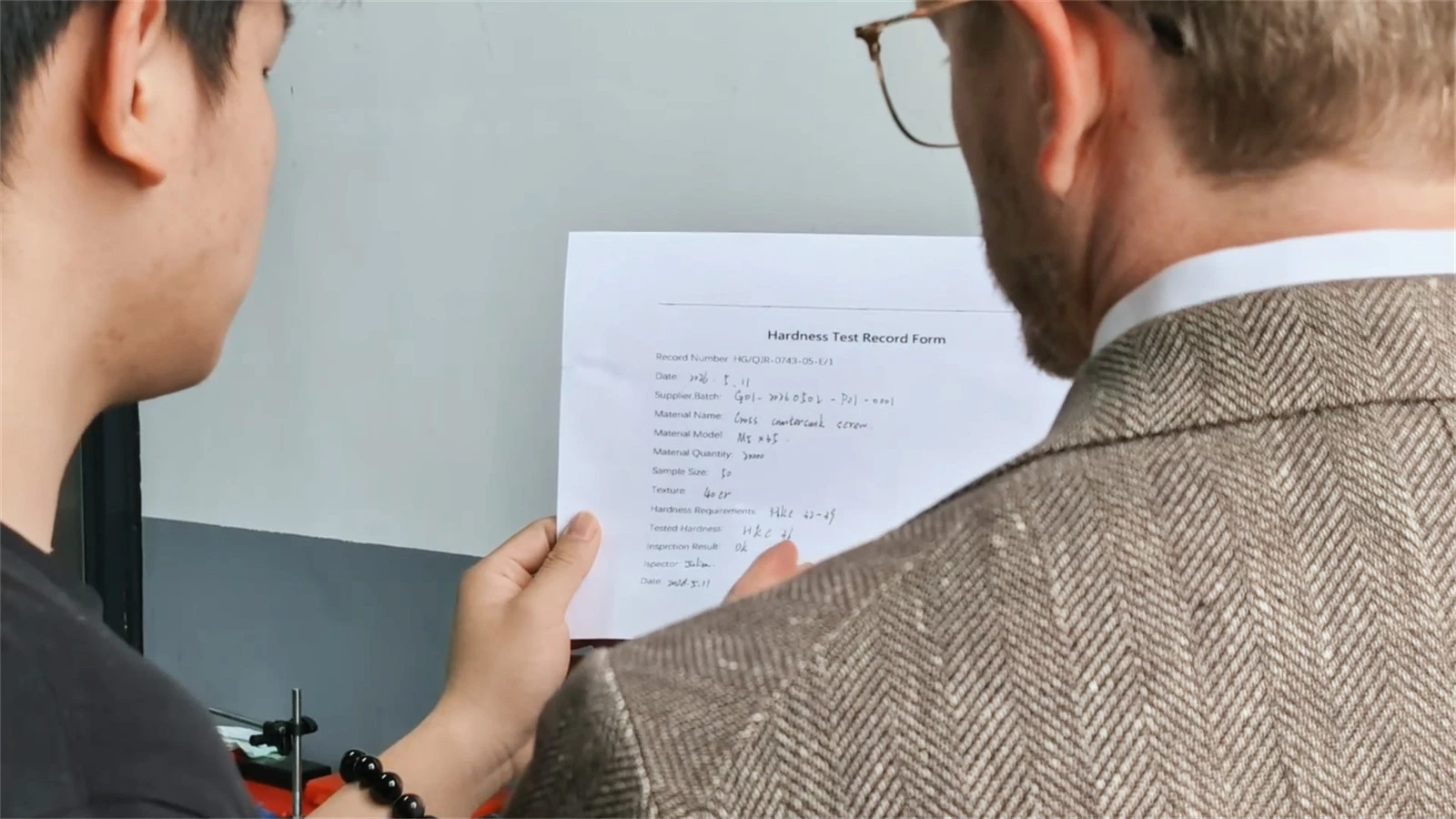
An electric wheelchair OEM brief cannot stop at a request such as "I need a lightweight wheelchair for Europe." That describes a category, not a product. Before model selection, the buyer should explain the problem the product must solve.
A useful brief includes:
· target country or countries;
· buyer's role and proposed brand arrangement;
· sales channel;
· intended user and use environment;
· indoor, outdoor and travel priorities;
· expected transport and storage method;
· required seating and access characteristics;
· target frame or material position;
· desired folding or reclining functions;
· expected battery and charging context;
· appearance and brand requirements;
· packaging and fulfillment route;
· local service capability;
· target launch window;
· estimated trial and annual volume;
· regulatory review owner.
Describe trade-offs openly. If the product must be very light, highly comfortable, extremely compact, suitable for rough outdoor use, carry a high load and meet a tight commercial target, the team needs to know which requirement wins when they conflict. A ranked list is more useful than a long list in which every item is marked essential.
Include physical constraints. Door widths, car openings, storage spaces and parcel limits can eliminate otherwise attractive options. If the buyer has customer returns or competitor complaints, summarize those findings without asking the factory to copy a protected design.
Agree who is responsible before artwork begins
Private-label projects can change who appears to be the manufacturer and who carries specific legal responsibilities. The answer depends on the jurisdiction, device, labeling, modifications and commercial arrangement. It must be reviewed by qualified regulatory personnel for the target market.
In the European Union, the European Commission's overview of medical-device economic operators describes manufacturers, authorized representatives, importers and distributors. Placing a product on the market under a buyer's own name or making certain changes can affect the buyer's responsibilities. In the United States, the FDA guidance for imported medical devices explains that foreign manufacturers and initial importers have distinct registration, listing, reporting and other applicable duties. US compliance must be assessed under US requirements rather than assumed from authorization in another country.
The practical lesson is simple: do not print packaging before the regulatory model is clear. The project should define:
· legal manufacturer for the finished device;
· brand owner;
· importer or authorized representative where applicable;
· party responsible for registrations and listings;
· owner of the technical documentation;
· complaint and vigilance communication route;
· labeling and instruction requirements;
· change-notification responsibilities;
· record-retention responsibilities.
A manufacturer can support documents and testing, but a sales statement that "CE and FDA are included" is not enough. Ask which documents apply to the exact model, whose name appears on them, what changes they cover and what the buyer must do locally.
Make ownership and confidentiality clear early
OEM projects usually build on an existing manufacturer platform, so buyers should understand which design elements are standard and which artwork or modifications belong to them. ODM projects may involve buyer-funded design, tooling or unique features. Ownership and use rights should be written before substantial development begins.
An agreement may address confidentiality, buyer artwork, tooling ownership, design files, background intellectual property, project-specific developments, sales restrictions and treatment of abandoned projects. It should also define payment milestones, sample rounds, change requests and acceptance.
Avoid assuming that an NDA answers every ownership question. Confidentiality and intellectual-property rights are different. Both parties benefit when the boundary is explicit.
Commercial clarity also includes responsibilities for translation, registration, external testing, inspection, freight, import clearance, local support and market claims. A project schedule should show dependencies rather than one promised delivery date.
Frequently asked questions
What is the simplest difference in electric wheelchair OEM vs ODM projects?
OEM usually adapts controlled options on an established platform. ODM involves meaningful design or engineering input where an existing platform cannot meet the documented need.
Is private label the same as OEM?
The terms overlap in commercial use, but private label mainly describes whose brand appears on the product. Legal and regulatory responsibilities must still be reviewed separately.
When should intellectual-property terms be agreed?
Agree confidentiality, buyer artwork, tooling, design ownership and use rights before sensitive files or project-funded development work is exchanged.
How Baichen can help
If you are preparing an OEM or ODM inquiry, send us more than a logo. Tell us the market, customer, sales channel, preferred base model, changes you are considering and the documents your team expects. Baichen can then help separate simple branding from engineering work and propose a sensible sample path. Explore our electric wheelchair range and begin through the contact page. Clear projects usually start with an honest brief, not a long list of fashionable features.

Copyright © Ningbo Baichen Medical Devices Co., Ltd. All Rights Reserved- Privacy Policy-Blog

 EN
EN