
 EN
EN

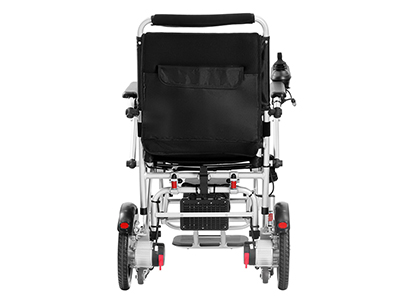
While electric mobility captures the headlines, the manual folding wheelchair remains the backbone of the global rehabilitation industry. For a procurement manager or a wholesaler, selecting the right manual folding wheelchair factory is a decision that balances cost, durability, and regulatory compliance.
In Europe and North America, a manual wheelchair is more than just a seat on wheels; it is a regulated medical device that must withstand thousands of folding cycles, impact tests, and environmental stressors. At Ningbo Baichen Medical Devices Co., Ltd., we have been perfecting the manual wheelchair since 1998. Our Jinhua-based facility specializes in high-volume, high-quality production that meets the EN 12183 standard—the gold standard for manual mobility in the EU.
Understanding the EN 12183 Standard
For any manual folding wheelchair factory aiming to export to Europe, compliance with EN 12183 (Manual wheelchairs - Requirements and test methods) is non-negotiable. This standard ensures that the product is safe for both the user and the attendant.
Key testing areas under EN 12183 that Baichen models must pass include:
· Static Stability: Testing the chair's resistance to tipping in all directions (forward, backward, sideways).
· Static, Impact, and Fatigue Strength: Ensuring the frame doesn't crack under the weight of a user or during a sudden bump.
· Brake Performance: Verifying that the parking brakes hold on a 10° incline.
· Biocompatibility: Ensuring the materials in contact with the user's skin (upholstery, armrests) are non-toxic and flame-retardant.
By sourcing from a factory that prioritizes these standards, you eliminate the risk of product recalls and ensure eligibility for government tenders and insurance reimbursement.
Aluminum vs. Steel: The Buyer’s Decision Matrix
One of the most frequent questions we receive at Baichen is whether to stock aluminum or steel frame wheelchairs. As a versatile manual folding wheelchair factory, we produce both, but they serve different market segments.
| Feature | Steel Frame (Economy/Institutional) | Aluminum Frame (Lightweight/Active) |
| Weight | 16kg - 22kg | 10kg - 15kg |
| Durability | High (Heavy duty) | High (Corrosion resistant) |
| Price Point | Low (Budget friendly) | Mid-to-High |
| Best Use Case | Hospital transit, short-term rental | Daily home use, travel, active seniors |
| Transportability | Harder to lift into vehicles | Easy to lift and store |
Manufacturing Insight: At Baichen, we use high-grade 6061 aluminum alloy for our lightweight series, which is then heat-treated to achieve the structural rigidity required by EN 12183. Our steel models utilize reinforced carbon steel with a US-imported Binks painting line finish to prevent rust—a common issue with budget-grade steel chairs.
Key Features to Look for in a Sourcing Partner
When auditing a manual folding wheelchair factory, look beyond the price list. A professional manufacturer should offer:
1. Robotic Welding: Consistency is key. Baichen uses 18 automated injection molding machines and robotic welding stations to ensure every frame joint is identical in strength.
2. Customizable Upholstery: For institutional buyers (hospitals/nursing homes), we offer flame-retardant, anti-microbial fabrics that are easy to sanitize.
3. Quick-Release Wheels: A feature highly valued by active users, allowing the chair to be even more compact for transport.
4. Integrated Brake Systems: We offer both user-operated brakes and attendant-controlled brakes for maximum safety.
The Baichen Manual Product Matrix
Our manual line is divided into specialized categories to help distributors cover all market bases:
· Standard Lightweight (Aluminum): Our best-seller for the US and UK retail markets. Features a double cross-brace for extra stability.
· Pediatric Series: Specifically designed with "growable" frames to accommodate the changing needs of children, meeting EN 12183’s pediatric-specific safety clauses.
· Bariatric Series: Reinforced steel frames capable of supporting 200kg+, with extra-wide seats and heavy-duty casters.
· Reclining/Tilt-in-Space: Designed for long-term care, featuring adjustable headrests and elevating leg-rests to prevent pressure sores.
The "Honest Truth": When a Folding Manual Chair is NOT the Solution
As an expert manual folding wheelchair factory, we must be honest about the limitations of folding designs to maintain E-E-A-T:
· Rigid Frame Preference: For elite para-athletes or extremely active users who prioritize energy transfer efficiency, a rigid (non-folding) wheelchair is often better. Folding mechanisms, no matter how well-engineered, involve a slight loss of energy through the joints.
· Severe Postural Needs: Standard manual chairs are not suitable for patients with severe spinal deformities who require custom-molded seating systems.
· Extreme Terrain: While our chairs handle sidewalks and ramps, they are not designed for deep sand or soft mud. For those environments, specialized all-terrain beach wheelchairs are required.
Logistics and Private Label (OEM/ODM) Capabilities
For many of our partners, the goal is to build their own brand. Baichen’s manual folding wheelchair factory offers:
· MOQ: 1 unit for sampling; 100 units for basic OEM.
· Branding: Laser-engraved logos on the frame or embroidery on the seat back.
· Packaging: Export-standard 7-layer cartons, optimized for container loading (we can fit ~350 units in a 40'HQ).
· Lead Time: 7 days for samples; 25-30 days for mass production.
Frequently Asked Questions
Q1: Does your factory comply with the EN 12183 standard?
Yes. All our manual wheelchairs are designed and tested to meet the requirements of EN 12183, which is essential for sales in the European Union and the UK.
Q2: What is the difference between your aluminum and magnesium models?
Aluminum is the industry standard for lightweight chairs. Magnesium, which we use in some high-end models, is even lighter (about 33% less than aluminum) and offers superior vibration damping, though it comes at a higher price point.
Q3: Can we order different seat widths for the same model?
Absolutely. We offer standard widths (16", 18", 20") and can customize bariatric widths up to 24" or 26" depending on the frame type.
Q4: How do you prevent rust on steel wheelchairs?
We use an advanced electroplating process followed by a high-grade UV-resistant coating from our US-imported Binks painting line. This provides a much higher level of corrosion resistance than standard powder coating.
Q5: What is the warranty on Baichen manual wheelchairs?
We provide a 3-year warranty on the frame, reflecting our confidence in our robotic welding and material quality.
Conclusion & Next Step
The manual wheelchair market is a game of reliability and compliance. By partnering with a manual folding wheelchair factory that understands the nuances of the EN 12183 standard and offers a diverse frame decision matrix (Aluminum vs. Steel), you position your business for sustainable success.
Ready to restock your inventory with professional-grade mobility aids?
Contact our Manual Mobility Division today for a bulk price list and to discuss your OEM branding requirements.
Table of Contents
- Understanding the EN 12183 Standard
- Aluminum vs. Steel: The Buyer’s Decision Matrix
- Key Features to Look for in a Sourcing Partner
- The Baichen Manual Product Matrix
- The "Honest Truth": When a Folding Manual Chair is NOT the Solution
- Logistics and Private Label (OEM/ODM) Capabilities
- Frequently Asked Questions
- Conclusion & Next Step