
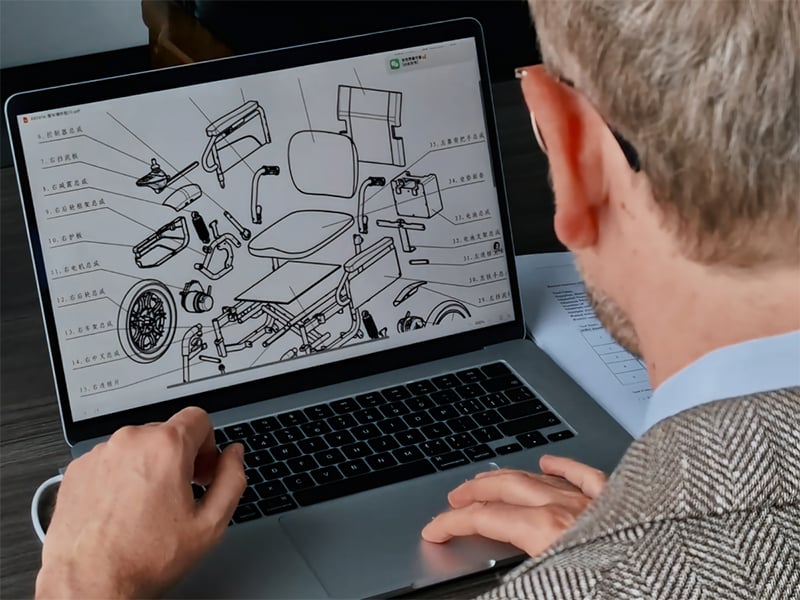
Electric Wheelchair OEM vs ODM with a Manufacturing Partner
Choosing an electric wheelchair supplier can feel surprisingly difficult. Two companies may show you similar product photographs, yet the legal manufacturer, assembly location, component sources and after-sales responsibilities may be completely different. If those details remain unclear, the problem usually appears later, when you need a document, a replacement part or an explanation for a production change.
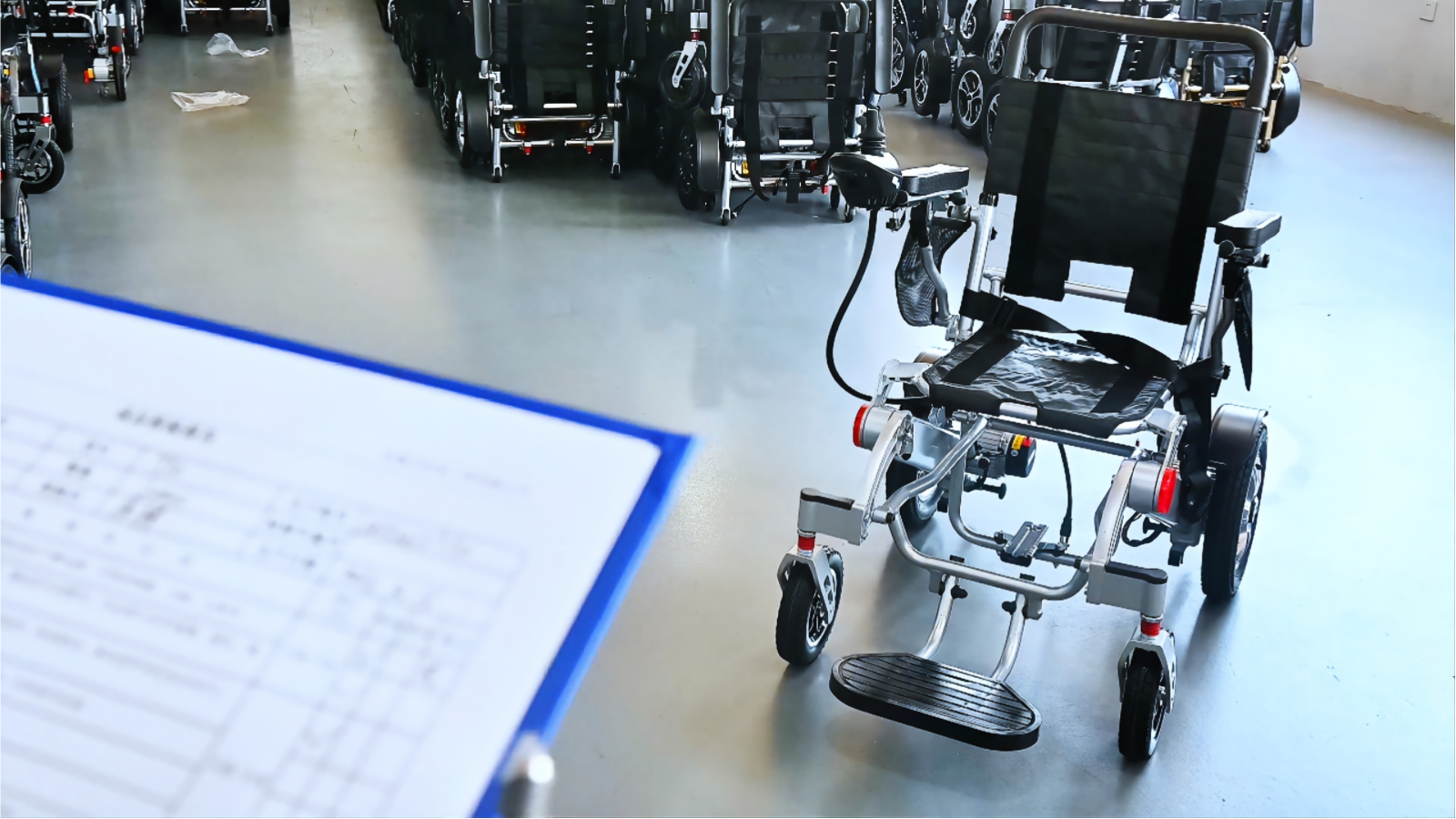
At Baichen, we want buyers to ask these questions early. Tell us where you plan to sell, how the chair will reach the customer and who will handle local service. We can then walk through the relevant electric wheelchair range, show the production context in our factory exhibition and identify the exact configuration under discussion. The goal is simple: you should know what you are approving before a sample becomes an order.
Our quick answer
Start with four answers: who is selling the chair, who is manufacturing it, which site controls production and which exact configuration you are evaluating. We recommend recording those answers together with dated evidence before sample approval. A company name, certificate or attractive product photograph can support the review, but none of them can replace a clear connection between the business, the factory and the wheelchair you intend to buy.
Tell us where and how you plan to sell
An audit should begin before the factory visit. The buyer first needs to define what the product must do in the intended market. Picture the same chair being reviewed by a pharmacy chain, an online store, a rehabilitation equipment distributor and a tender contractor. Their category is shared; their operational exposure is not.
An e-commerce seller may be highly sensitive to carton dimensions, parcel handling, assembly questions, image quality and return causes. A medical distributor may place more weight on traceability, technical files, service manuals and spare-parts continuity. A retailer may need a clear good-better-best product ladder, simple demonstrations and products that can be moved through a showroom. A project buyer may require a fixed configuration, inspection criteria and documentation for a bid.
Write these needs into the audit scope. Include the intended country, sales channel, target user, expected terrain, transport method, product positioning and service model. If the distributor will provide local repairs, the supplier must support diagnostics and parts identification. If the product will be sold under a private label, artwork, labels, manuals and regulatory responsibilities need to be reviewed as part of the product, not as a final printing task.
This first step prevents a common sourcing error: evaluating a factory against a generic idea of quality instead of the actual commercial use of the product.
We will make the manufacturing roles visible
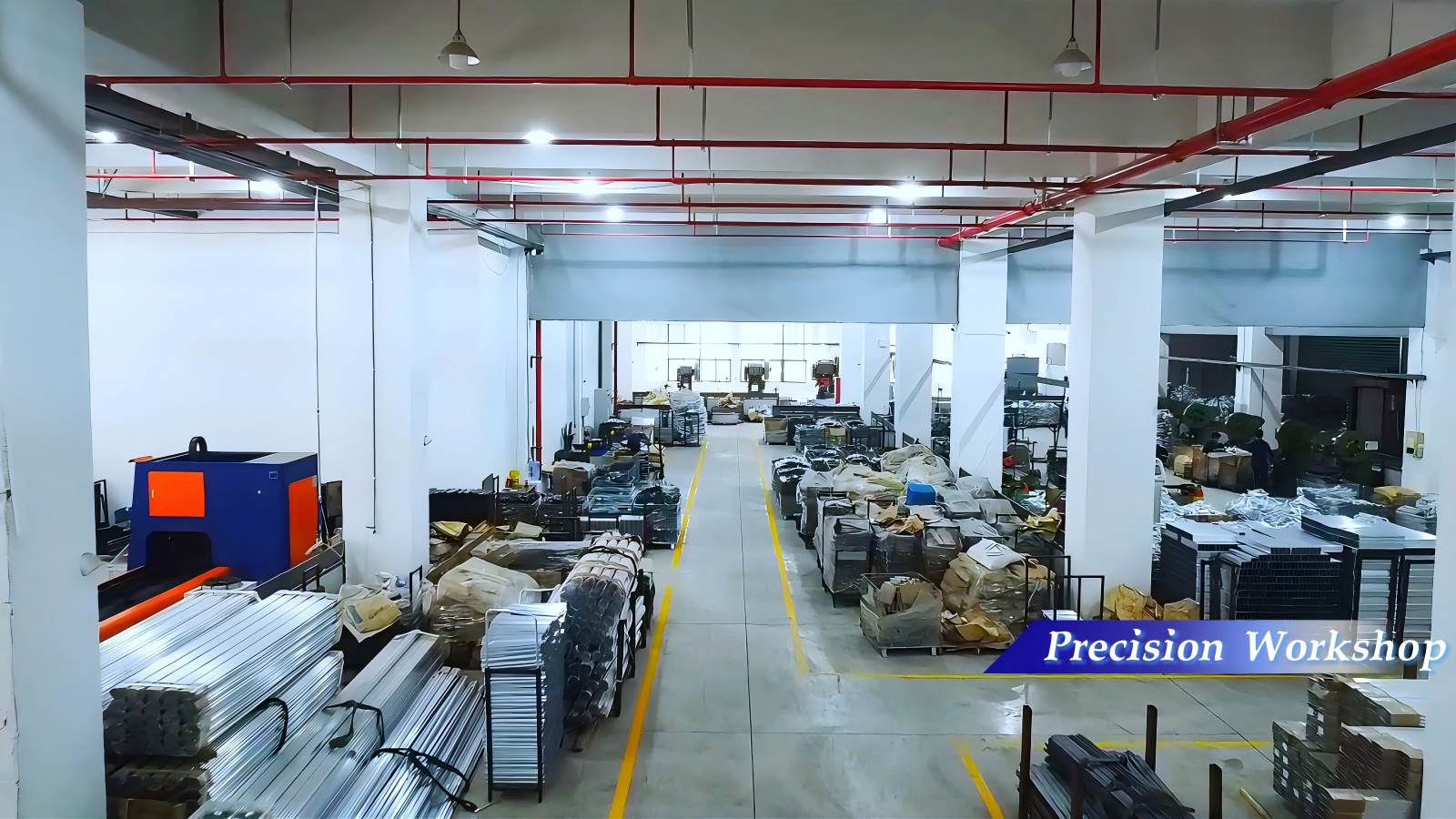
When you audit an electric wheelchair manufacturer, record the legal company name, production address, sales entity, invoice entity and bank beneficiary. The names may differ for legitimate reasons, but the buyer should still resolve the relationship. Have the supplier set it out in writing and support the explanation with business records. The finished identity map should distinguish the legal manufacturer from an assembly site, sales office, shared workshop or subcontractor.
Next, draw the production boundary instead of relying on a sales description. Follow the structural, electrical and upholstery work separately, marking the location of each operation. One site might fabricate frames, assemble finished chairs and perform routine tests while qualified suppliers provide motors, controllers, batteries, chargers, wheels or seats. That operating map tells a buyer more than a yes-or-no claim about in-house production. Identify the owner of every handoff and verify the answer in supplier and inspection records.
Ask which processes occur at the audited location, which are outsourced, how incoming components are approved and how a component change is evaluated. If a critical supplier changes a motor, controller, battery cell, charger or brake component, determine who assesses the effect on performance, documentation, labeling and compatibility.
A mature manufacturer should be able to explain its production boundary without hiding normal supply-chain relationships. Vague answers are more concerning than the reasonable use of qualified component suppliers.
Let us identify the exact chair together

Do not assume that one frame name describes one product. The frame may be offered with different batteries, motors, controllers, seats, wheels, folding mechanisms, chargers and accessories. A test report or certificate might cover only one of those combinations. Build a configuration sheet that identifies the sample in front of you and the production version you expect to receive.
To keep both teams aligned, we suggest recording:
· model and internal revision;
· frame material and finish;
· motor type and rated configuration;
· controller and joystick version;
· battery chemistry, capacity and connector;
· charger input and output specification;
· front and rear wheel type;
· brake system;
· seat, backrest, armrest and footrest configuration;
· folding or reclining functions;
· included accessories;
· labels, manual language and packaging version.
Photograph identifying labels and connectors during the audit. Keep the approved specification, sample record and packaging artwork under revision control. When a later production inspection takes place, inspectors need an objective reference. "Same as sample" is useful only when the sample itself has been identified, retained and protected from undocumented changes.
You can discuss available configuration choices through our customization service. The key sourcing principle is that every chosen option must be connected to the correct drawing, bill of materials, test evidence and order document.
Keep a record your team can return to
Electric wheelchair supplier verification should produce a file that another colleague can understand months later. Retain the identity map, approved configuration, dated photographs, open questions and the evidence used for each decision. Record who approved the supplier and which product versions were included. This prevents a future buyer from assuming that approval of one model, factory location or commercial arrangement automatically covers every new order. Update the electric wheelchair supplier verification record whenever the legal entity, manufacturing site, critical configuration or responsibility map changes.
Frequently asked questions
What documents support electric wheelchair supplier verification?
Start with business identity records, the manufacturing address, a responsibility map, the controlled product specification and model-specific quality or regulatory evidence. The correct list depends on the market and business arrangement.
Can a trading company and factory both appear in one transaction?
They can, but their roles should be disclosed. Record who manufactures, sells, invoices, receives payment, controls documents and answers after-sales cases before approval.
When should the product configuration be frozen?
Freeze it before comparing samples, tests or quotations. Later changes should be documented with their effect on function, compliance, packaging and spare-parts compatibility.
How Baichen can help
If you are comparing suppliers, send us the destination market, sales channel and model or use case you have in mind. Our team can help you connect the company identity, production scope, configuration and available documents before you commit to a sample. You can also review our customization service or start the conversation through the contact page. We would rather answer a careful question now than leave you to solve an avoidable problem after delivery.

Copyright © Ningbo Baichen Medical Devices Co., Ltd. All Rights Reserved- Privacy Policy-Blog

 EN
EN