
Produsen Roda Listrik OEM versus ODM dengan Mitra Manufaktur
Bagi pengguna kursi roda listrik, komponen yang sering diabaikan namun sangat penting ini diam-diam mengubah pengalaman mobilitas—yakni kopling. Perangkat mekanis yang tampak sederhana ini memberikan kemampuan unik kepada kursi roda listrik untuk berfungsi sebagai dua kendaraan terpisah: kursi roda dapat bergerak maju dengan mudah menggunakan tenaga listrik, atau beralih ke mode manual agar didorong oleh pengguna maupun perawat. Artikel ini akan membahas prinsip kerja, skenario penerapan, serta nilai praktis kopling.
Fungsi Inti Kopling: Menghubungkan dan Memutus Tenaga
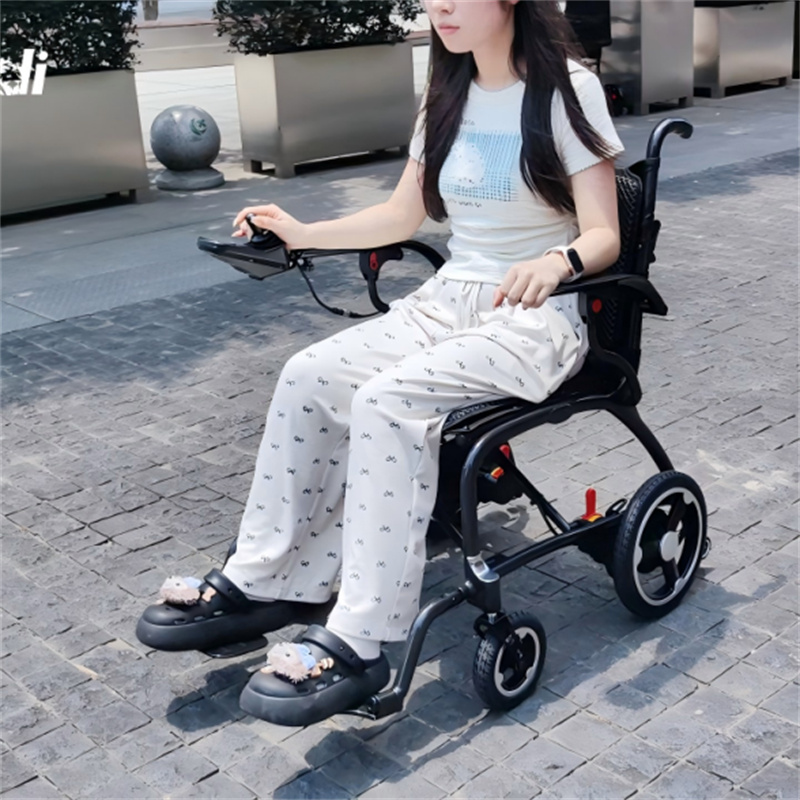
Kopling pada dasarnya merupakan perangkat pengendali transmisi daya. Ketika kopling terhubung, daya yang dihasilkan oleh motor ditransmisikan ke roda melalui sistem transmisi, sehingga kursi roda beralih ke mode listrik. Ketika kopling terlepas, koneksi daya antara motor dan roda terputus, memungkinkan roda berputar bebas, dan kursi roda dapat didorong seperti kursi roda manual konvensional.
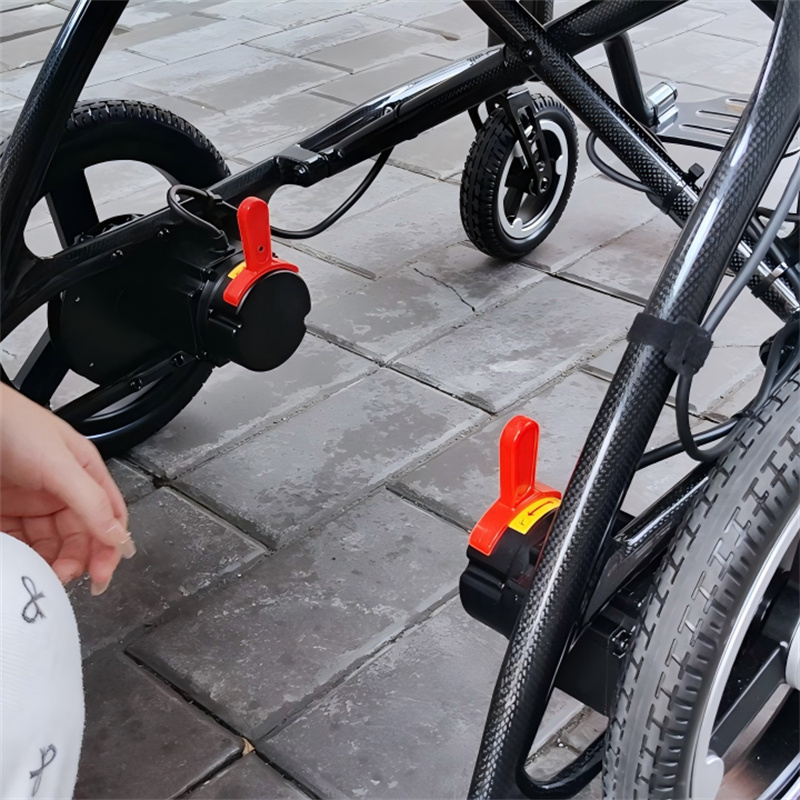
Keunikan desain ini terletak pada kemampuannya beralih secara mulus antara sifat-sifat kursi roda listrik sebagai "mesin" dan sebagai "alat." Pengguna tidak memerlukan alat bantu apa pun; cukup menggeser tuas kopling untuk beralih antar kedua mode tersebut.
Skenario 1: Pemindahan Jarak Pendek dan Operasi Fleksibel di Dalam Ruangan
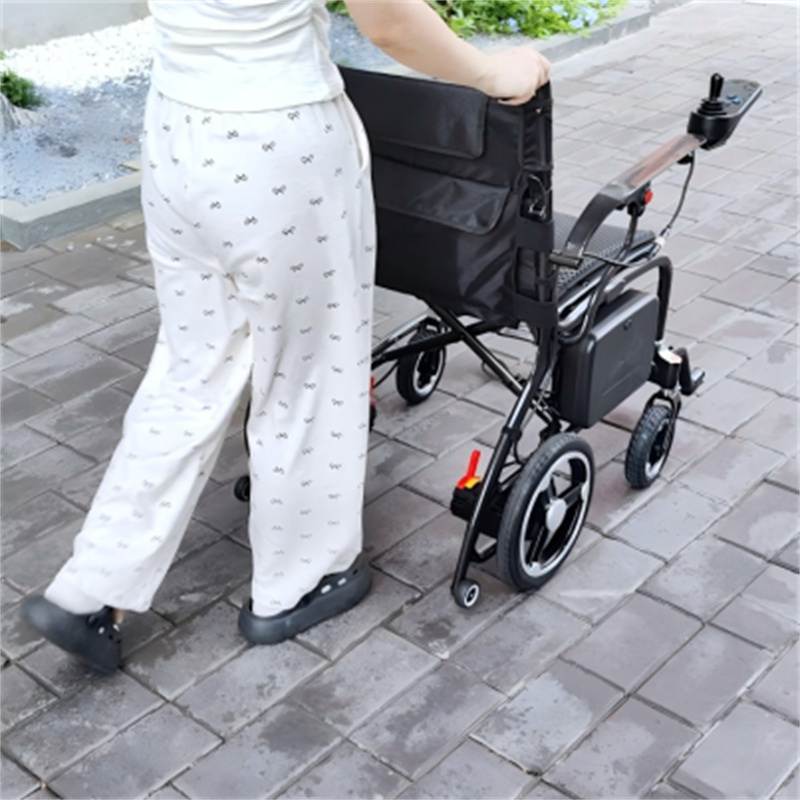
Dalam penggunaan sehari-hari, sering terjadi situasi di mana menyalakan motor tidak diperlukan: berpindah dari ruang tamu ke kamar tidur, menyesuaikan posisi kursi roda di kamar mandi kecil, atau menggesernya mendekati meja makan. Mengandalkan mode listrik dalam situasi-situasi ini—dengan penyalakan dan penghentian berulang—terasa merepotkan.
Dengan mengaktifkan kopling dan beralih ke mode manual, perawat atau pengguna dapat dengan mudah mendorong kursi roda dalam jarak pendek, sehingga pengoperasian menjadi lebih fleksibel dan presisi. Bagi perawat, hal ini berarti tidak perlu menyalakan motor setiap kali, sehingga kenyamanan dalam perawatan harian meningkat secara signifikan.
Skenario 2: Perlindungan Darurat Saat Baterai Habis
Meskipun jangkauan kursi roda listrik terus membaik, terkadang baterai tetap habis—misalnya karena lupa mengisi daya sebelum meninggalkan rumah, atau perjalanan sepanjang hari melebihi perkiraan. Tanpa kopling, kursi roda listrik yang berat tidak akan dapat digerakkan.
Desain kopling memberikan perlindungan darurat yang penting bagi pengguna. Begitu baterai habis, cukup lepaskan kopling, dan kursi roda akan beralih ke mode manual, memungkinkan perawat mendorongnya ke titik pengisian daya terdekat atau kembali ke rumah. Fitur ini sangat cocok untuk pengguna yang sering beraktivitas di luar ruangan, sehingga menambah lapisan keamanan ekstra selama kegiatan di luar ruangan.
Skenario 3: Penyimpanan dan Penanganan Selama Pengangkutan
Kopling memainkan peran penting saat menempatkan kursi roda listrik ke dalam bagasi mobil atau membawanya menggunakan transportasi umum. Melepaskan kopling memungkinkan roda berputar bebas, sehingga tidak perlu mengatasi hambatan motor selama pengangkutan dan membuat operasi menjadi jauh lebih mudah. Untuk beberapa kursi roda listrik dengan desain lipat dari depan ke belakang, kopling juga harus dilepaskan sebelum dilipat guna memastikan operasi yang lancar.
Nilai Tambah Kopling: Jarak Tempuh yang Diperpanjang dan Pengurangan Keausan
Selain kenyamanan dalam beralih mode, kopling menawarkan dua keuntungan tersembunyi. Pertama, pada jalur menurun yang panjang, beralih ke mode manual memungkinkan penggunaan daya gravitasi untuk meluncur, sehingga menghemat daya dan meningkatkan jangkauan. Kedua, melepaskan kopling selama pengangkutan atau penyimpanan mencegah motor berputar secara pasif akibat gaya eksternal, sehingga melindungi pengendali motor.
Filsafat Desain BaiChen: Teknologi yang Melayani Manusia
Dalam pengembangan produk BaiChen, kopling dipandang sebagai jembatan yang menghubungkan kebutuhan pengguna dengan penerapan teknologi. Tim rekayasa kami melakukan pengujian berulang terhadap sensasi kopling, gaya operasional, dan ketahanannya guna memastikan pengalaman beralih yang halus dan andal bahkan setelah penggunaan jangka panjang. Banyak kursi roda listrik Beston dilengkapi desain tuas yang diperpanjang, memungkinkan pengguna mengoperasikannya tanpa perlu membungkuk berlebihan, mencerminkan perhatian terhadap detail.
Kami percaya bahwa desain kursi roda yang baik harus "tidak terlihat"memberikan dukungan yang tepat ketika dibutuhkan, dan tidak menjadi beban ketika tidak diperlukan. Kopling adalah perwujudan yang jelas dari filosofi ini.
Jika Anda memiliki pertanyaan lebih lanjut tentang konfigurasi kopling atau teknik penggunaan kursi roda listrik, silakan hubungi tim layanan pelanggan Beston. Kami akan memberikan saran penggunaan profesional dan rekomendasi produk berdasarkan kebutuhan spesifik Anda.
Ningbo Baichen Medical Devices Co.,LTD.
+86-18058580651
Baichenmedical.com/baichenmobility.com

Copyright © Ningbo Baichen Medical Devices Co., Ltd. All Rights Reserved- KEBIJAKAN PRIVASI-Blog

 EN
EN